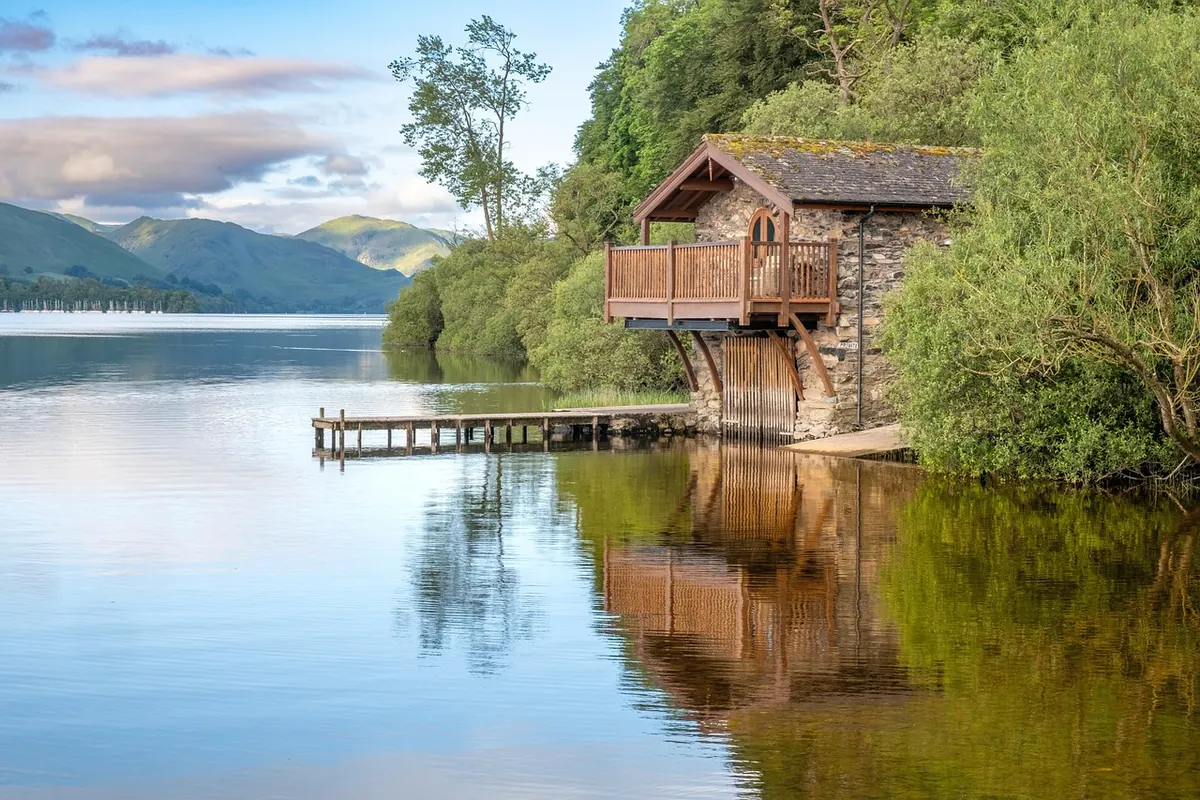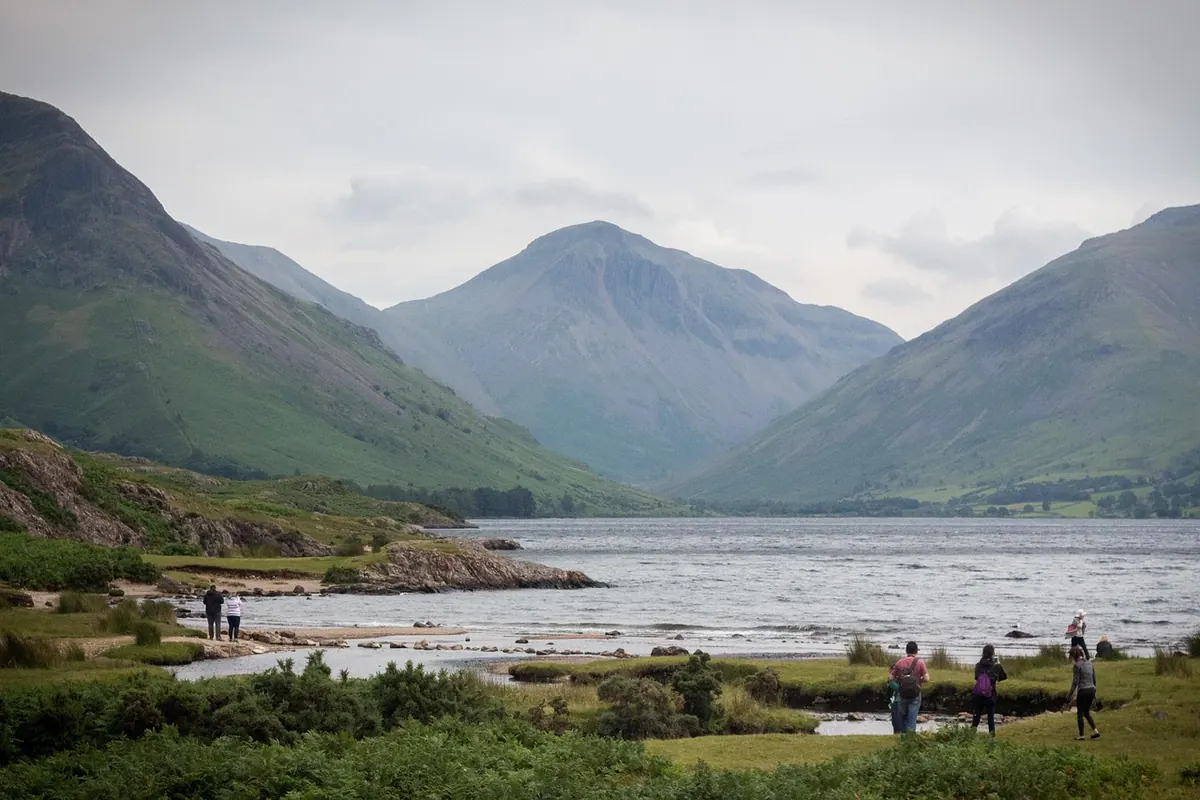
Windermere and Ullswater sit roughly forty minutes apart by road, and plenty of visitors end up at one when they'd have been happier at the other. Windermere is England's largest lake, with a railway station, a busy town at Bowness and boat services running most of the year. Ullswater is narrower, deeper-feeling and framed by higher fells, with a handful of villages and a good deal more quiet. Neither is better. They suit different trips.
Getting there: Windermere wins on trains
If you're coming without a car, Windermere is the straightforward choice. The branch line from Oxenholme, on the West Coast Main Line, runs into Windermere village, and there are direct services from Manchester and Preston. That means you can arrive, walk to Bowness in about half an hour, and be on a boat the same afternoon.
One thing to know: Windermere station is in Windermere, not at the water. Bowness-on-Windermere is about a mile and a half away, downhill on the way there and uphill on the way back. Buses run between the two, and plenty of people simply walk it.
Ullswater has no station. The nearest is Penrith, around half an hour away by road, and from there you're relying on a bus, a taxi or your own car. Buses do run towards Pooley Bridge and Glenridding, but timetables thin out outside the summer months, and an evening return can be awkward. If you're car-free and Ullswater is your priority, plan the day around the bus times rather than the other way round.
Crowds: the single biggest practical difference
Bowness in August is a busy place. Car parks around Bowness and Ambleside fill by mid-morning on a sunny weekend, and the walk down to the lakefront gets shoulder-to-shoulder. It's lively rather than unpleasant, but it doesn't feel remote.
Ullswater absorbs people far better. Pooley Bridge and Glenridding car parks still fill early on a good summer day, but step half a mile from either and the crowds thin quickly. The Ullswater Way, the waymarked path that circles the lake, spreads walkers out along twenty miles of shore, so even in peak season you can find stretches where you meet almost nobody.
A few ways to dodge the worst of it at either lake:
- Arrive before 9.30am, or come after 4pm when day-trippers start leaving.
- Use the boats as transport rather than a return trip — walk one way, cruise back.
- Park away from the honeypots. Brockhole and Fell Foot on Windermere, and Howtown on Ullswater, are quieter alternatives.
- Visit midweek in May, June or September. The light is often better and the paths are emptier.
Boat trips: frequent and roomy vs scenic and characterful
Windermere
Windermere Lake Cruises runs large, frequent vessels from Bowness to Ambleside and from Bowness to Lakeside, plus the car ferry across to Near Sawrey. Boats are big enough to take bikes and buggies, services run through much of the year, and the Lakeside run connects with the heritage railway to Haverthwaite and the aquarium at Lakeside. It's the easiest lake to use a boat as everyday transport.
Ullswater
Ullswater Steamers link Glenridding, Howtown and Pooley Bridge, and the fleet includes the Victorian-era Lady of the Lake. The classic trip is a one-way cruise to Howtown followed by a walk back along the shore to Glenridding — roughly seven miles, mostly gentle, with a couple of short climbs. It's one of the best half-days in the national park and works for reasonably fit families with older children.
Walks: viewpoints versus full fell days
Windermere's strength is short, rewarding walks close to facilities. Orrest Head, the modest hill above Windermere station, gives you the full length of the lake in about twenty minutes of climbing and is the walk that set Alfred Wainwright off on his fell-wandering. From Ambleside you can climb Loughrigg Fell or Wansfell; from Near Sawrey, paths lead to Claife Viewing Station with its coloured glass windows.
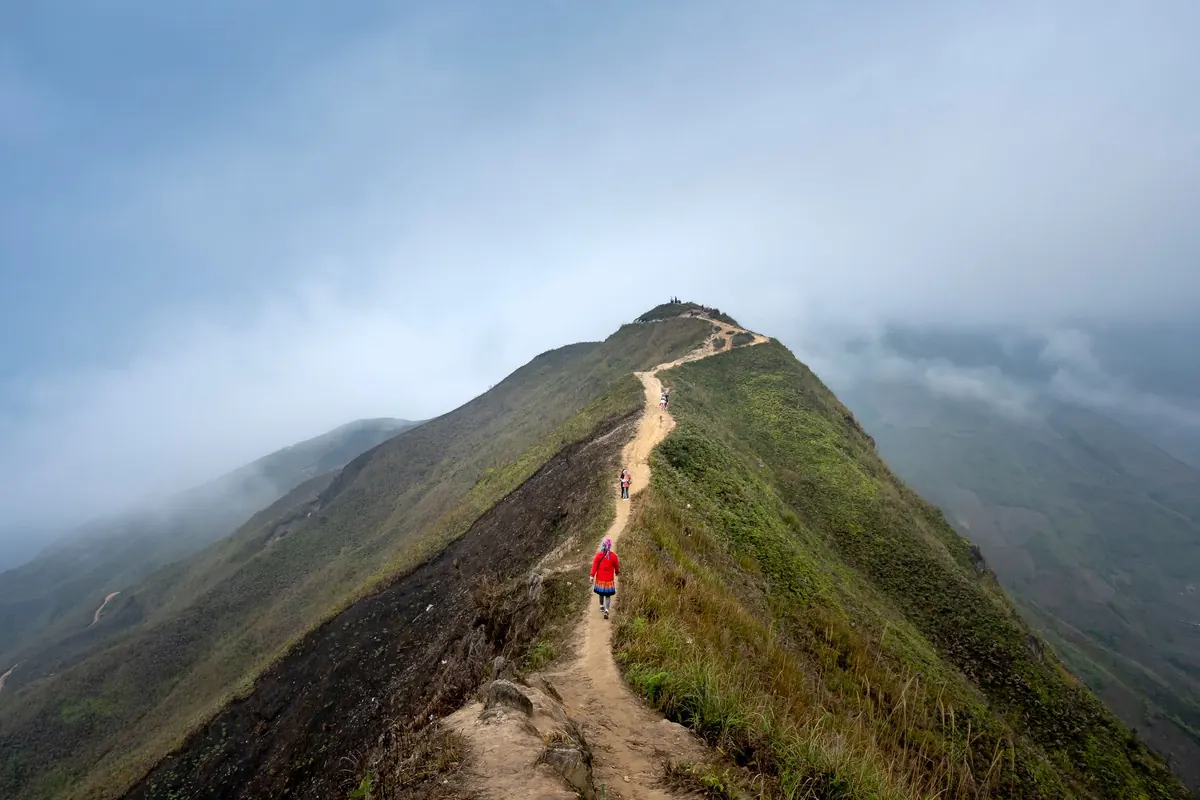
Ullswater is where the serious walking is. Aira Force is a short, well-made path to a waterfall that suits almost anyone. Hallin Fell above Howtown is a steep twenty minutes with a disproportionate view. Beyond that you have Place Fell, the High Street range, and Helvellyn itself, usually via Striding Edge from Glenridding. That last one is a genuine mountain day with scrambling and exposure — take proper boots, check the forecast, and turn back if the cloud comes in.
Families and rainy days
Windermere has the deeper bench of things to do when it rains. Brockhole visitor centre has gardens, a playground and adventure activities on the shore between Windermere and Ambleside. The Lakes Aquarium at the southern end pairs well with the steam railway. Fell Foot, at the lake's southern tip, has lawns, a cafe and shallow water for paddling, and Bowness has rowing boats, motorboats and paddleboards for hire.
Ullswater is more about being outdoors. Aira Force works in light rain, the steamer is a dry hour or two, and Glencoyne Bay has a shallow shelf that's popular with families. Pooley Bridge is a good base for ice cream and a picnic, and Lowther Castle, over towards Penrith, makes a solid wet-weather backup with its vast reconstructed ruins and adventure playground.
Which lake should you pick?
Choose Windermere if you're arriving by train, want frequent boats, need a wide choice of cafes and indoor options, or you're travelling with young children. Choose Ullswater if you have a car, want quieter shores, and would rather spend the day on a fell than in a town.
If you have three days or more, do both. Base yourself in Ambleside or Windermere for the first half, then drive over Kirkstone Pass to Glenridding or Pooley Bridge. The pass itself is worth the trip.
A last practical note on swimming and paddling, which both lakes are popular for. There are no lifeguards on either lake, the water is cold even in high summer, and Windermere in particular carries a lot of boat traffic. Cold water shock is real and catches strong swimmers out. Stay shallow until you've acclimatised, go with someone, keep an eye on where the launches and cruisers are running, and save the long swims for a club or an organised event.