Hadrian's Wall runs 73 miles from Wallsend on the Tyne to Bowness-on-Solway, and roughly a third of it lies in Cumbria. That western stretch is the one people skip. The guidebook photographs are nearly all taken around Housesteads and Steel Rigg in Northumberland, where the wall rides over crags and looks exactly as you imagined it. Cumbria does something different with the same story. Here the frontier drops to farmland and the flat Solway plain, the forts are quieter, the walking is easier, and on a clear evening you can stand at the end of the wall and look across the water to Scotland.
The Wall Changes Character at the Border
The county boundary runs near the River Irthing at Gilsland, and it marks a real shift in the archaeology. East of the river, the wall was built in stone from the start and stands on high ground. West of it, the first version was turf and timber, later replaced in stone on a narrower foundation. That is why the Cumbrian section often looks less like a wall and more like a long, low ridge crossing a field.
The surviving masonry also thins out as you travel west. From Birdoswald to just beyond Banks there are genuine standing remains. Past that, the wall becomes an earthwork: a bump in a hedge line, a change in the grass, a dead-straight footpath. It rewards attention rather than drama.
Birdoswald Roman Fort: Start Here
Birdoswald, signposted from the A69 near Brampton, is the obvious first stop. It is one of the forts on the wall, sitting on a ridge above a bend in the Irthing, and it has the things you want on a first visit: a car park, a visitor centre, a cafe and toilets. The fort's later life is the interesting part. Long after the Roman army's formal withdrawal, timber buildings went up inside the old ramparts, and the site museum explains why that matters.
Milecastle 48 at Poltross Burn
East of Birdoswald, a short walk along the wall brings you to Milecastle 48. It is often described as the best preserved of the milecastles, and the walls still stand high enough to give you a real sense of the space: a small gated fortlet every Roman mile, with an internal oven and the base of a stair. Stand in the gateway and the whole system suddenly makes sense.
Willowford and Banks East
Between Gilsland and Birdoswald, the path crosses Willowford, where the abutments and pier bases of the Roman bridge that carried the wall over the Irthing are still visible. Further west, Banks East Turret is a compact, solid example of a turret, free to visit, with a small parking area off the lane. A little further on, Pike Hill Signal Tower predates the wall itself — a reminder that the Romans were watching this ground before Hadrian drew his line across it.
Along the Solway: Forts, Villages and Borrowed Stone
West of the Irthing the wall runs into Carlisle and then along the flat land beside the Solway. Most of the forts here are buried under fields or streets, but the villages built from their stone are not. Lanercost Priory, founded in the twelfth century, is the great example: look closely at the masonry and you will find Roman blocks quarried straight out of the wall.
- Stanwix, Carlisle — the fort of Petriana lies beneath the northern suburbs. The Roman collections at Tullie House in the city centre are the best indoor option if the weather turns.
- Burgh by Sands — the fort of Aballava. St Michael's Church stands on the site and is built largely of Roman stone. Edward I died here in 1307, on his way north to fight the Scots.
- Drumburgh — the fort of Congavata, and Drumburgh Castle, a fourteenth-century tower house raised on the Roman site. The castle is a private house, so admire it from the lane.
- Bowness-on-Solway — Maia, the western terminus of the wall. St Michael's Church again sits within the fort. This is where the wall stops and the sea begins.
Walking the Cumbrian Section
Hadrian's Wall Path is a National Trail covering the whole 84 miles between Wallsend and Bowness. The Cumbrian half is far gentler than the crags: field paths, lanes and low riverside walking, with the sea always somewhere ahead. Good half days include:
- Gilsland to Birdoswald — bridge, milecastle and turf wall in a couple of miles.
- Birdoswald to Banks — the last really solid stretch of standing masonry.
- Carlisle to Burgh by Sands — level walking out of the city beside the Eden.
- Burgh by Sands to Bowness-on-Solway — flat, open, and it ends at the water.
One warning matters more than any other. Do not walk out onto the Solway sands or mudflats. The channels shift, the tide comes in fast and flat, and it catches people out every year. Stay on the path and enjoy the view from solid ground.
Roman Cumbria Beyond the Wall
The frontier did not stop at Bowness. A chain of milefortlets and turrets ran south down the Cumbrian coast, and there is Roman archaeology scattered across the county that has nothing to do with Hadrian at all.
- Maryport — the fort of Alauna and the Senhouse Roman Museum, which holds a remarkable collection of Roman altars recovered from the site.
- Crosscanonby — Milefortlet 21, with a reconstructed turf wall and timber gate, on the coast road between Maryport and Silloth.
- Ravenglass — the Roman bath house, with walls standing several metres high. Free to enter and open all year.
- Hardknott Roman Fort — remote and high on the Hardknott Pass, with a bath house and a parade ground. The road is narrow and steep, so check the weather before you commit.
- Ambleside — the fort of Galava at Borrans Park, near Waterhead. Small, free and easy to fold into a Windermere day.
Practical Tips for a First Visit
- Wear boots. Even in a dry summer the path across the Solway plain can be muddy underfoot.
- Keep dogs on a lead and shut gates behind you. Livestock graze most of this route.
- Take a waterproof. The plain is exposed and there is very little shelter.
- Check opening times before you travel. Birdoswald runs seasonal hours, and Lanercost Priory and its church keep their own.
- The AD122 Hadrian's Wall Country Bus links Carlisle with the main sites, but it is seasonal. Check the current timetable before planning a car-free day.
- Leave the stones alone. Don't climb on the masonry or pocket anything you find — the wall is protected, and the next visitor deserves to see what you saw.
A Simple First Visit
Start at Birdoswald in the morning, when the car park is empty and the light is behind you. Walk east towards Willowford and Poltross Burn, then drive to Lanercost Priory for lunch and a look at the nave. Spend the afternoon following the wall line through Burgh by Sands and Drumburgh, and finish at Bowness-on-Solway as the light goes soft over the water. If you are relying on buses or trains, base yourself in Carlisle and take the AD122 out to Birdoswald, or head north from the city along the Solway coast. Either way, give yourself more time than you think you need. The Cumbrian wall is not a monument you tick off. It is a landscape you walk through, and it is best taken slowly.
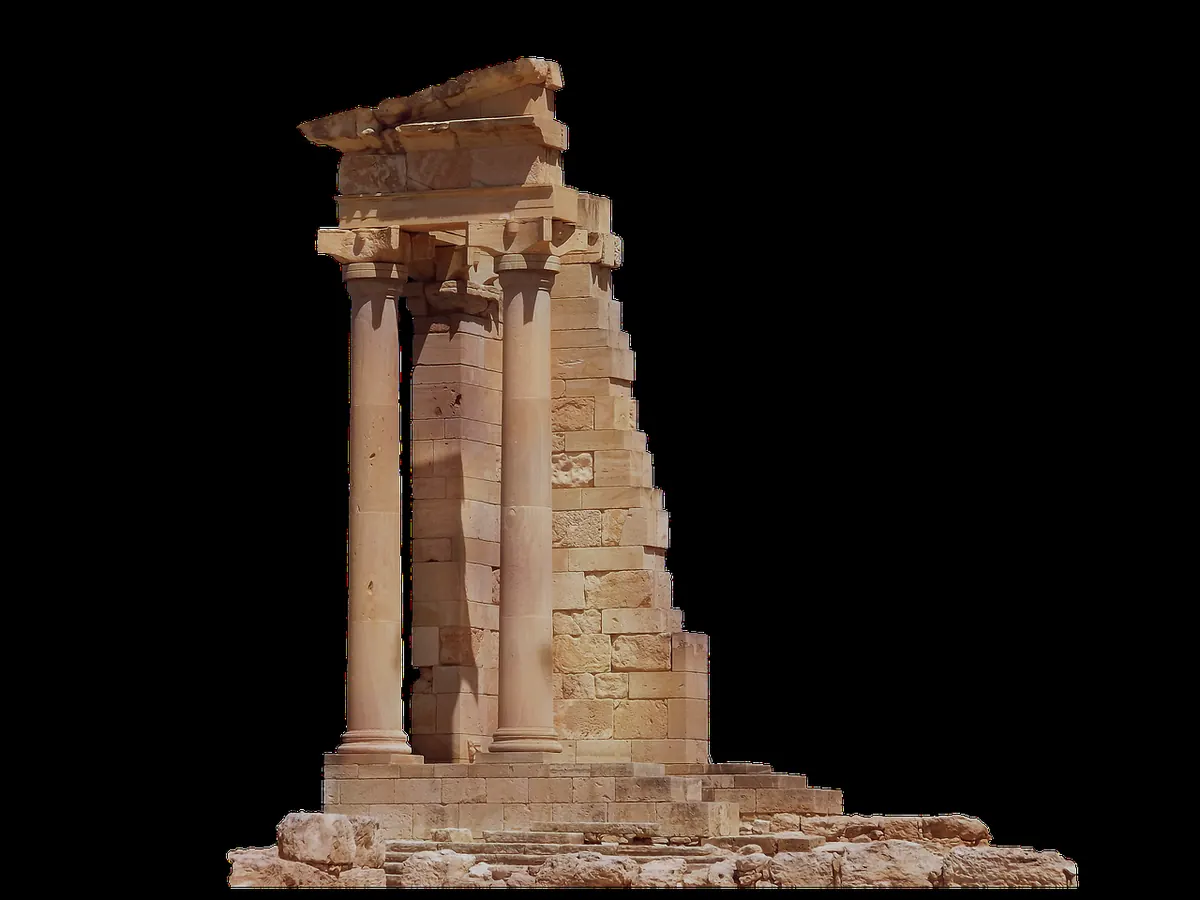
Photo: Darkmoon_Art / Pixabay