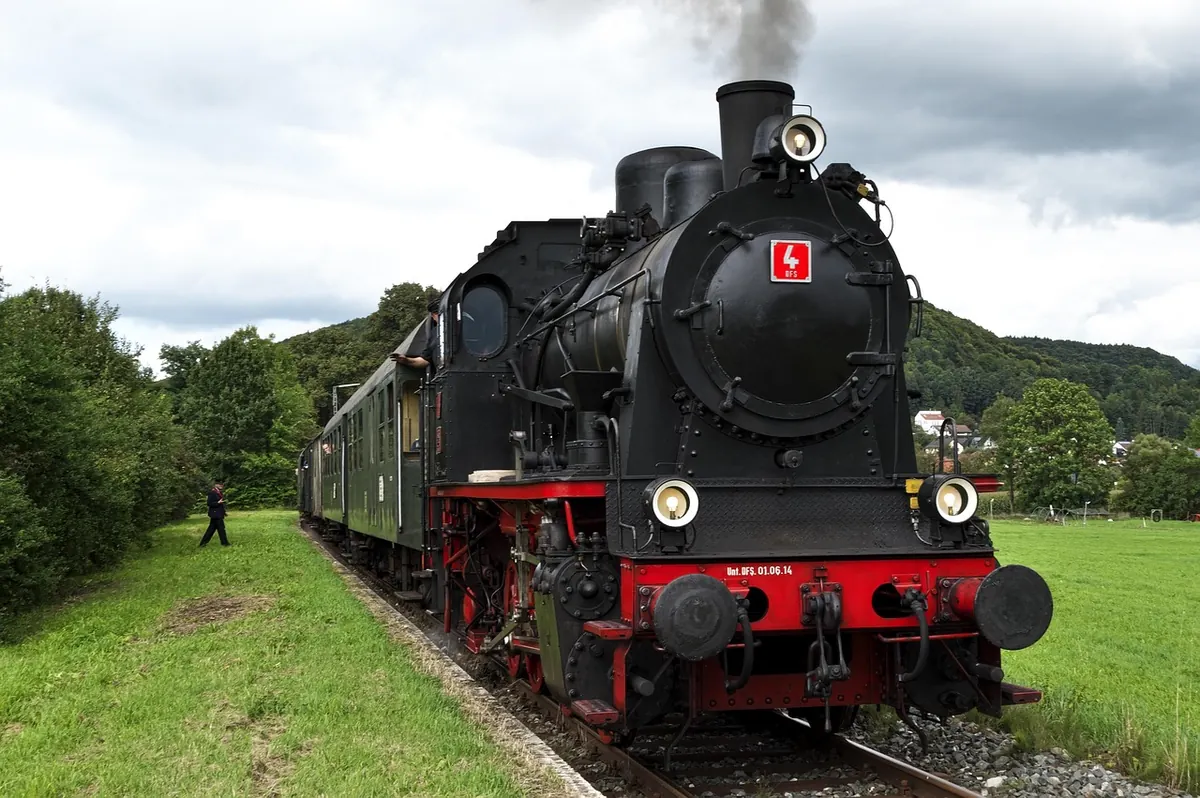
The train pulls out of Ravenglass at barely more than walking pace, slips past a row of whitewashed cottages and disappears into a tunnel of green. Somewhere to the left is the River Esk. Nobody on board is looking at a phone. That is the quiet trick of a heritage railway: it makes the journey the point, not the destination, and in a county as beautiful as this one, that is no small thing.
Cumbria has more of these lines than most visitors realise, and they vary enormously in scale, scenery and character. Below is what each one actually offers, who it suits best, and how to bolt one onto the rest of a day out without spending it all in a car park.
Ravenglass and Eskdale: the little railway with the big views
This is the one most people mean when they talk about Cumbria's heritage railways. Opened in 1875 to carry iron ore, and later a passenger line, it runs seven miles from the coast at Ravenglass up into Eskdale, on a fifteen-inch gauge so narrow that the carriages feel like beautifully made toys. It is often described as England's oldest narrow gauge railway, and it holds that reputation without ever seeming precious about it.
The route climbs gently through farmland and woodland, then opens out as the valley narrows. You pass request stops with names like The Green and Fisherground, where walkers hop off with rucksacks and dogs. At the far end is Dalegarth for Boot, a short stroll from the village of Boot, with its pub and old watermill, and from the start of paths towards Stanley Ghyll Force, a waterfall in a wooded ravine that is worth the walk if you have time and sturdy shoes.
Practical notes for the Ratty
Ravenglass itself sits on the Cumbrian Coast Line, so you can arrive by mainline train and step straight onto the narrow gauge platform — a genuinely car-free day out. Muncaster Castle is also within walking distance of the village, which makes a natural pairing. Steam locomotives usually do the honours, though diesel railcars appear on some services, particularly at the quieter ends of the season.
Lakeside and Haverthwaite: steam to the water's edge
At the southern end of Windermere, a standard gauge line runs about three and a half miles between Haverthwaite and Lakeside, following the River Leven through fields and low woodland. It is short, but it does something the Ravenglass line cannot: it ends at a pier, where the Windermere Lake Cruises boats connect onwards to Bowness and Ambleside.
Haverthwaite station is the sort of place that swallows an hour without you noticing. There is a café, a shop, and an engine shed where you can usually get close to locomotives being prepared or oiled. Lakeside has a smaller station, a café and an aquarium nearby, and the pier is a minute's walk away. The classic day out is train, then boat, then a wander around Bowness before heading back the same way.
Beyond the big two: South Tynedale and the Eden Valley
Head east and the crowds thin out. The South Tynedale Railway runs from Alston, often described as England's highest market town, along the South Tyne valley on a two-foot gauge line. The setting is open fell and sheep country rather than lakes and fells, and the pace is gentle in every sense. Alston itself is worth an afternoon: steep streets, a heritage centre, and a station café that regulars treat as a destination in its own right.
Further south, the Eden Valley Railway at Warcop is a volunteer-run standard gauge line with a much shorter operating season and a handful of running days. It is the kind of place enthusiasts love and casual visitors should ring ahead about before making a special trip. If you are nearby anyway, it is a pleasant surprise rather than a guaranteed day out.
Choosing the right line for your group
- Young children: the Ravenglass and Eskdale line wins on charm, with open carriages, short tunnels and plenty to spot. Haverthwaite's engine shed is a good rainy-day backup.
- Mixed ages and limited walking: Lakeside and Haverthwaite, combined with a lake cruise, gives everyone something without long distances between stops.
- Walkers: Dalegarth for Boot opens up Eskdale paths; Ravenglass gives you coast, castle and estuary in one day.
- Anyone wanting quiet: the South Tynedale line in the east rarely feels busy, even in August.
- Train enthusiasts: check the operating calendar first — most lines run steam on selected days, not all of them.
Tickets, connections and making a day of it
Every line here sells singles, returns and some form of day or family ticket, with concessions for children and older passengers, and small charges for dogs. Rather than quoting figures that change, check the operator's own website the week you plan to travel. Two things matter more than price.
First, look for combined tickets. The Lakeside and Haverthwaite line sells rail-and-boat packages with Windermere Lake Cruises, which is almost always better value and simpler than buying separately at the pier. Second, decide whether you want a return or a single. On the Ravenglass line, some people ride up and walk back down Eskdale; on the Lakeside line, plenty of visitors take the train one way and the boat the other.
Beyond the railways themselves, the pairings are straightforward. Ravenglass and Muncaster Castle go together. Lakeside, Bowness and Ambleside form a natural loop on the water. Alston pairs well with a drive over the fells towards Hartside or Nenthead. If you are building a longer trip, these lines sit comfortably alongside the region's bigger attractions rather than competing with them.
Before you travel
Heritage railways do not run to the same rhythm as a bus service. Many operate daily in school holidays and only at weekends, or on selected days, outside them. Check the timetable on the day you intend to go, not the day you book your accommodation.
Arrive with time to spare, especially for the first departure of the day, and expect to queue at popular times in summer. Take a layer and a waterproof whatever the forecast says; open carriages are wonderful and breezy in equal measure. If anyone in your party uses a wheelchair or has limited mobility, ring ahead to ask which carriage and which station works best — most lines are helpful and honest about their limitations. Dogs are generally welcome, but confirm before you turn up with a large one.
Book ahead where the option exists, pack a picnic if the café queue looks long, and leave room in the plan for the unplanned stop. The best bits of these journeys are rarely the ones in the timetable.
Photo: anaterate / Pixabay