A friend of mine—sharp guy, runs a logistics company—once told me he'd never touch an online slot because "it's just random noise for people who hate math." Two weeks later, he texted me a screenshot of a 400x win on a volatility-heavy Megaways title, asking if he should cash out or push his luck. That contradiction sums up iGaming perfectly. The industry sits at a strange intersection of pure chance, applied statistics, human psychology, and genuinely clever game design. Dismiss it as mindless gambling and you miss what's actually happening under the hood.
Whether you're a curious newcomer or someone who already has a few casino accounts, understanding how the machinery works—and where the real edges and traps are—changes everything. Let's dig into the parts most people get wrong.
The Slot Machine Isn't a Coin Flip (It's Way More Interesting)
Modern video slots don't work on a simple random number generator that just picks win or lose. They use a cryptographically-seeded RNG, the same family of technology that protects your banking apps, to generate millions of outcomes per second. Every spin is independent. There's no "due for a win" mechanic hiding in the code, no matter what the guy in the forum swears.
Where it gets genuinely interesting is volatility. Two slots with an identical 96% RTP can behave completely differently:
- Low volatility (think Starburst or most classic 3-reel titles): frequent small wins, gentler bankroll swings.
- Medium volatility: a balanced spread—your bread-and-butter games for long sessions.
- High volatility: rare but massive hits. Think Book of Dead or any Megaways title. You can spin 300 times and see almost nothing, then hit 5,000x on the next spin.
RTP—return to player—is the long-run theoretical payback. A 96% RTP game gives back 96 cents per dollar wagered across millions of spins. It says nothing about your next 100 spins. Anyone who tells you otherwise is selling something.
Practical takeaway: match volatility to your session length and bankroll. If you have $50 and two hours, high-volatility slots will eat you alive before the variance pays off. If you have $500 and want a shot at something memorable, low-volatility games will grind you to death with boredom.
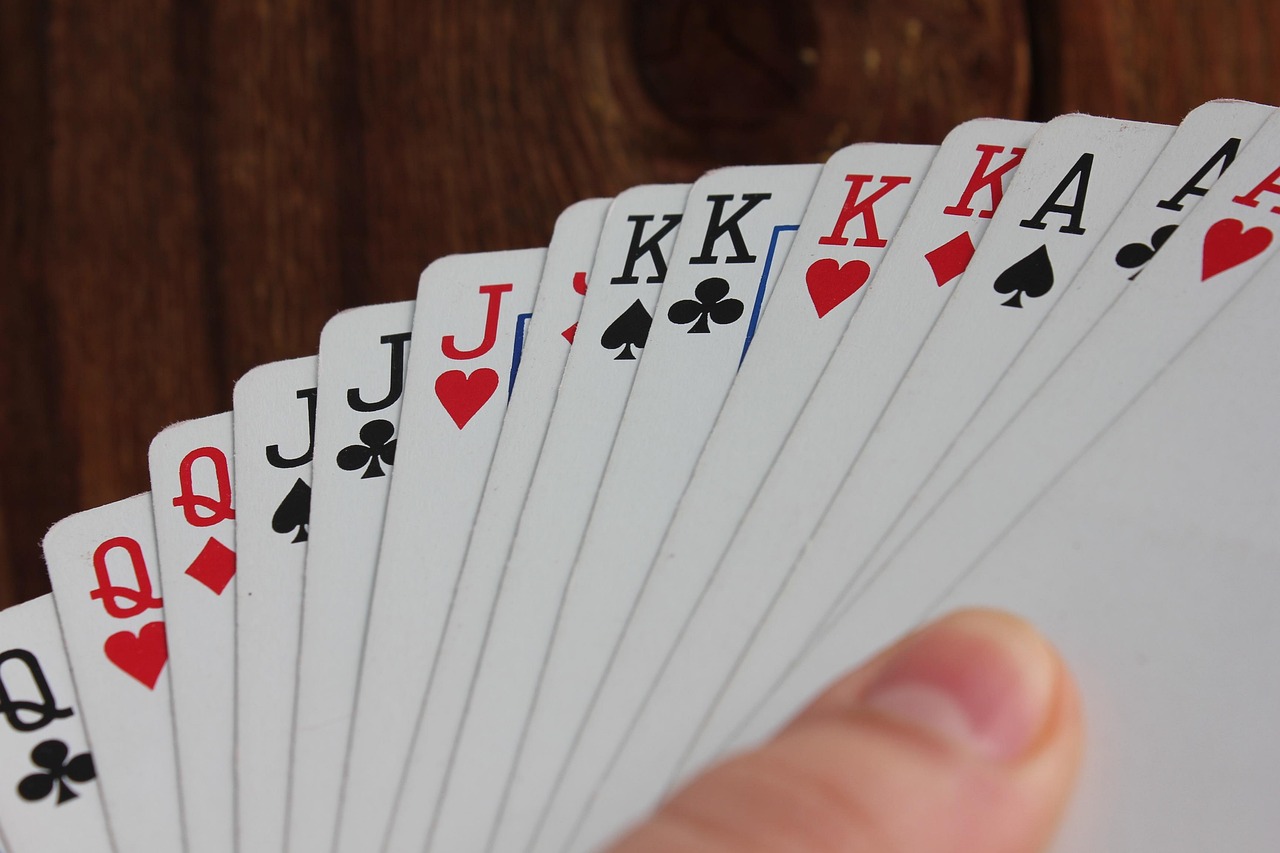
Poker Is the Only Game Where You're Playing Against People
Here's the thing that separates poker from every other game in the building: you're not fighting the house edge. You're negotiating with other humans, and the house just skims a small rake. That changes the entire strategic landscape.
In casino games, every decision is mathematically solvable. In poker, the "correct" play depends on what your opponent thinks you have, what they think you think they have, and how they react to pressure. It's a game of incomplete information wrapped in psychology. FUN88 is a solid starting point for anyone new to this.
Three skills that actually matter more than knowing the hand rankings:
- Position. Acting last is worth more than any hole cards. A mediocre hand on the button beats a strong hand in the small blind most of the time.
- Range thinking. Stop asking "what does he have?" Start asking "what's his entire possible range, and how does my hand do against it?"
- Bankroll management. Even the best players go broke if they play stakes that are too high for their roll. A common rule: don't buy into a cash game for more than 5% of your dedicated poker bankroll.
Online poker adds another wrinkle: tracking software and hand histories. Sites like GGPoker and PokerStars let you download your entire history for study. Serious players review hands in solvers like GTO+ or PioSolver. If you're not studying, you're the fish at the table—someone else's edge. For more on this, see FUN 88.
Sports Betting: Where the Math Actually Matters
Bookmakers aren't in the business of predicting games. They're in the business of pricing outcomes so that the money on both sides roughly balances, and they collect the vig either way. That's why the odds don't always reflect reality—they reflect public opinion about reality.
This creates exploitable inefficiencies, especially in less popular markets: niche soccer leagues, women's tennis, obscure player props. The main markets—NFL spreads, Champions League winners—are priced to a razor's edge by algorithms and sharp syndicates. Beating them consistently is a full-time job most people can't do.
A few concrete numbers worth knowing:
- A standard -110 line means you need to win 52.4% of bets just to break even.
- Without a bonus, using a -105 book (or a no-vig exchange like Betfair) drops that break-even to 51.2%. That 1.2% is the difference between a hobby and a loss.
- Line shopping across even three books can add 1-2% to your long-term ROI. It's the single easiest edge in betting.
Match bonuses, free bets, and profit boosts are where casual bettors get real value. The books give them away because most users lose them back. If you treat a $50 free bet as a $30 expected value rather than $50 of "free money," you'll make better decisions.
Licensing, Trust, and the Money Question
Not all casinos are created equal—and I don't mean their game selection. The license a casino operates under tells you a lot about how it treats you when things go wrong.
- UKGC (UK Gambling Commission): toughest player protections, strictest ad rules, fastest dispute resolution.
- MGA (Malta Gaming Authority): respected, common for European operators, decent player recourse.
- Curacao / Anjouan: cheaper to obtain, weaker enforcement. Some legit operators use these licenses, but your options if a dispute arises are limited.
Never deposit more than you're comfortable losing, and check withdrawal limits and processing times before you sign up. A casino with a 3-day pending period on withdrawals is essentially a 3-day interest-free loan from you to them—and a chance to reverse your own good fortune. Use e-wallets where you can, they're usually faster and give you an extra layer between your bank and the operator.
And yes, if you're ever in the UK, Australia, or most regulated markets, self-exclusion tools, deposit limits, and reality checks aren't optional features—they're mandated. Use them. They're the most underrated tools in the entire iGaming ecosystem.
The Bottom Line
iGaming rewards understanding, not superstition. The slots aren't rigged against you in the way angry forum posts suggest—they're rigged in the way an actuarial table is rigged: mathematically, sustainably, and transparently if you read the paperwork. Poker rewards discipline over talent. Sports betting rewards patience and price-shopping over hot takes.
The players who get hurt financially are almost never the ones with the worst luck. They're the ones who never learned the difference between variance and edge, who chased losses at a volatile slot, who bet -110 lines without shopping around. Learn the machinery, respect the math, and the whole experience becomes something closer to intellectual—a very exciting, occasionally profitable, genuinely fascinating form of entertainment rather than a slow drain. And that screenshot my logistics friend sent? He did cash out, by the way. Not because he got lucky after all—but because he finally understood what volatility meant.