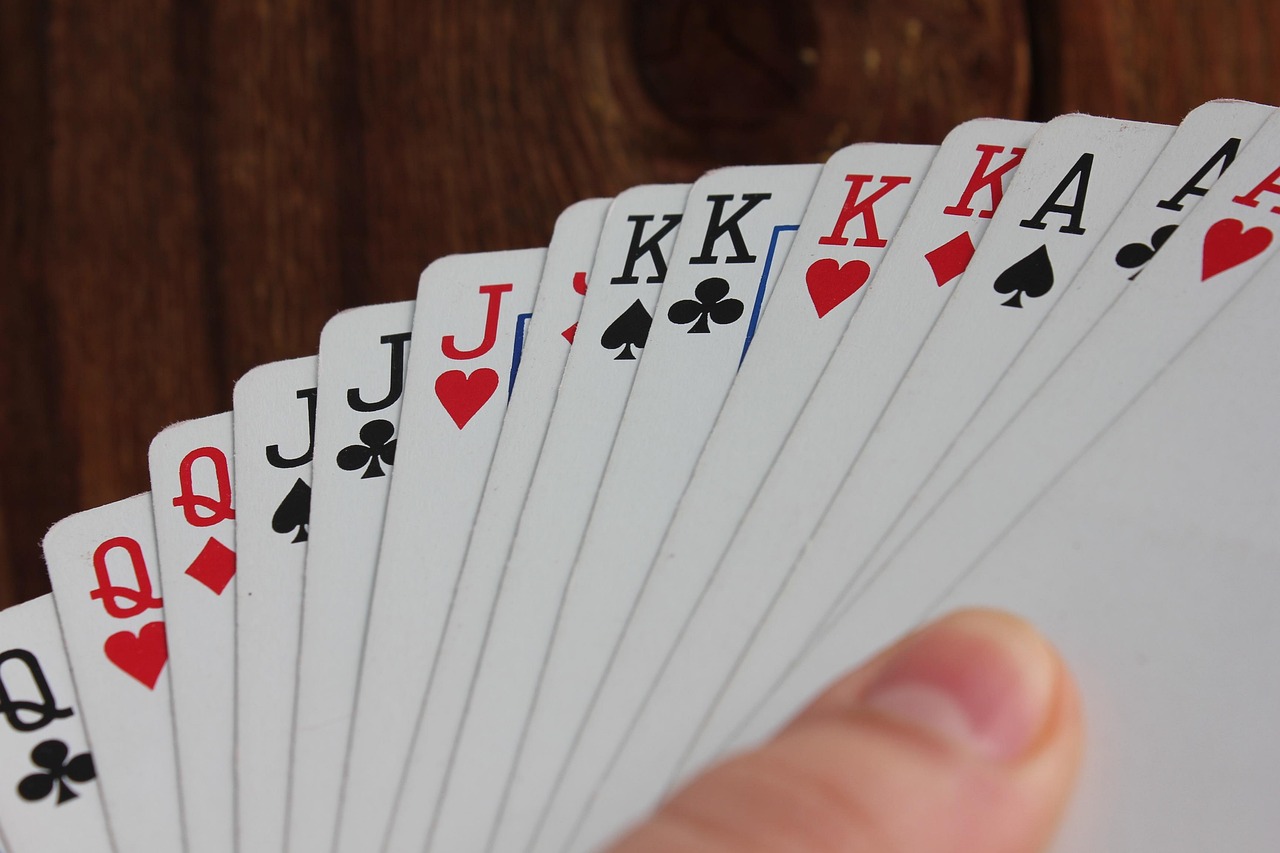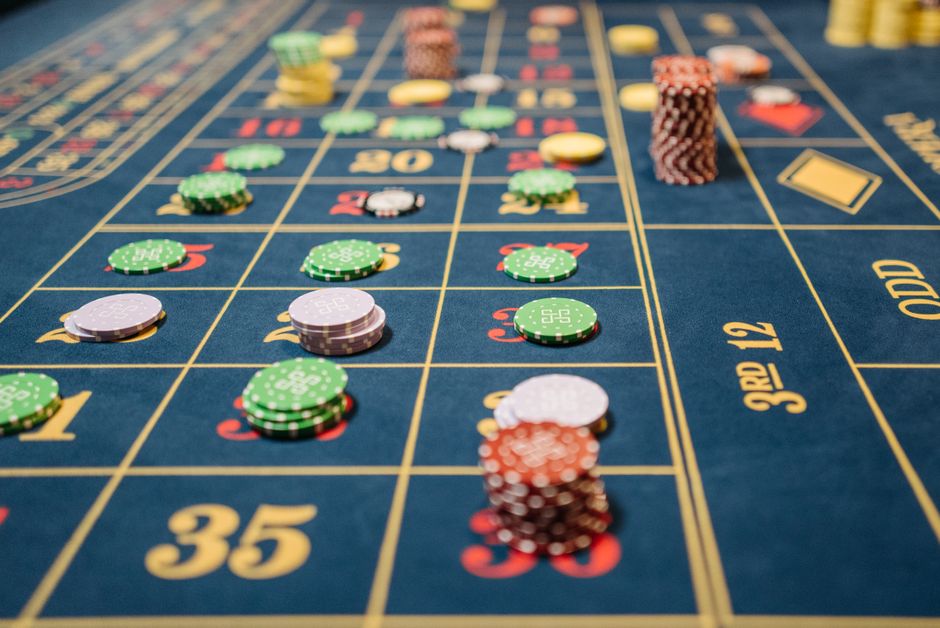
Ask ten people why they gamble and you'll get ten different answers. The thrill of a last-second parlay. The dopamine hit of a slot bonus round. The quiet, mathematical satisfaction of outplaying a table full of opponents at poker. But ask them why they keep gambling, and most honest answer is simpler: because sometimes they win. It's that occasional victory — the 40-to-1 longshot that comes home, the royal flush on the river — that keeps the entire iGaming ecosystem spinning. Understanding how that ecosystem actually works, though, is what separates a player with a fighting chance from a walking ATM.
The Real Math Behind the Curtain
Let's start with the thing casinos would prefer you not think about too hard: house edge. Every game you play has a built-in mathematical advantage for the operator, and it varies wildly from one product to the next. That variation is why the choice of what you play matters far more than most casual bettors realize.
Consider blackjack with basic strategy. Played correctly, on a typical 3:2 payout table, the house edge can shrink to roughly 0.5%. That means over a long session, you're losing about 50 cents for every $100 wagered. Now drop that same $100 into a modern online slot and your expected loss might be anywhere from $2 to $8. The difference sounds small until you run the numbers across thousands of spins, at which point it becomes the difference between a slow bleed and a quick one.
- Blackjack (basic strategy): 0.5% house edge
- Baccarat (banker bet): around 1.06%
- Craps (pass line with odds): under 1%
- European roulette: 2.7%
- American roulette: 5.26% — the extra zero is a killer
- Slots: typically 2% to 10%, sometimes higher on progressive jackpot games
Notice nothing on that list is positive. That's the point. You cannot beat the math on a per-hand basis. What you can do is pick games where the math punishes you less, play longer on the same bankroll, and wait for the variance to swing your way.
Slots Aren't Random — They're Programmed
A persistent myth among casual players is that slot machines go "due" after a dry spell. They don't. Modern video slots use RNGs (random number generators) that re-seed thousands of times per second, meaning every spin is independent of the last. A machine that hasn't paid out in three hours is no more likely to hit than one that just paid someone five minutes ago.
What does matter is volatility, the term used to describe how a slot distributes its wins. Low-volatility slots (think classic 3-reel fruit machines) pay smaller sums more frequently. High-volatility slots — the Gonzo's Quest and Money Train ilk — can go hundreds of spins without a meaningful hit, then dump a massive multiplier when they finally do. Your bankroll strategy should change depending on which you're playing:
- On low-volatility slots, you can sustain longer sessions with a smaller bankroll but shouldn't expect life-changing hits.
- On high-volatility slots, you need a bankroll deep enough to survive 300+ dead spins without tilting, because that's a normal cold streak, not a broken machine.
Also check the RTP (return to player) percentage listed in the game's help screen. A 96% RTP slot loses you half as much over time as a 92% one. That number is published, and most players never look at it. SHBET is a solid starting point for anyone new to this.
Poker Is the One Game Where Skill Actually Decides Things
Poker deserves its own category because it's the single iGaming vertical where a skilled player can have a genuine long-term edge over weaker opponents. The house doesn't play against you — it just takes a rake and steps aside. That means your win rate depends on the quality of the people sitting at your table.
Three concepts separate winning players from losing ones:
- Position awareness. Acting last gives you more information on every street. Tight players who never adjust their range based on where they sit are leaving money behind.
- Bankroll management. A common guideline for cash games is 20 buy-ins at your stake; for tournaments, closer to 100. Ignoring this guarantees you'll go broke during a normal variance downswing even if you're playing well.
- Game selection. Chasing tougher tables because they feel "prestigious" is a leak. If two tables are available at your stake and one is noticeably softer, sit there. Every single session.
The rake still grinds down the player pool over time, which is why even winning players at low stakes often grind out thin margins. Moving up in stakes isn't about ego — it's about finding pools where the rake burden is proportionally smaller against the average pot. Anyone weighing up options should see SH BET.
Bonuses, Free Bets, and the Fine Print That Eats Them
Sportsbook welcome offers and casino bonuses look generous until you read the terms. A "100% match up to $1,000" deposit bonus sounds like free money, but it usually comes with wagering requirements — often 30x or 40x the bonus amount. That means a $200 bonus requires you to wager $6,000 to $8,000 before you can withdraw a cent of it.
Worse, many bonus terms restrict which games count toward clearing. Slots might contribute 100% to wagering requirements while blackjack contributes just 10% or nothing at all. That effectively forces bonus hunters onto the highest-house-edge games in the building. Before you claim any offer, find these three things in the T&C list:
- Wagering requirement multiplier and which games count toward it
- Maximum cashout cap on winnings generated from the bonus
- Expiration window — often only 7 to 30 days
Free bets on sportsbooks tend to be more honest. A $50 free bet at -110 odds usually converts to roughly $20-25 of real expected value when you bet it on a near-coinflip market, because you keep the winnings but not the stake. That's a legitimate edge, and it's the reason matched betting exists as a semi-industrial practice in the UK and Australia.
What Responsible Actually Looks Like
Every operator now offers deposit limits, session timers, and self-exclusion tools, and they're required to under most licensing regimes. But tools only help if you use them before you need them. The players who get into trouble are almost always the ones who set limits after a bad night rather than before one.
A practical framework: decide your monthly gambling budget as a fixed entertainment expense, not a variable one. When it's gone, it's gone until next month. Never chase losses with money earmarked for anything else. And treat every session as paying for entertainment the same way you'd pay for a concert ticket — the value is in the experience, not the payout.
The Bottom Line
The iGaming industry is enormous, categorically fascinating, and completely honest about its math once you know where to look. The house edge is published in the help screens. The RTP is in the paytable. The rake is posted at the table. None of it is hidden — it's just that most players never bother to read it. The gamblers who do treat the whole thing less like a lottery and more like a pricing decision. They play games where they get more entertainment per dollar, they claim bonuses that clear affordably, they sit in soft poker games, and they stop when the budget says stop. That isn't luck. It's just paying attention.